Even before an appointment begins, patients often arrive carrying a mix of emotions, nervousness, uncertainty, anticipation, and sometimes fear.
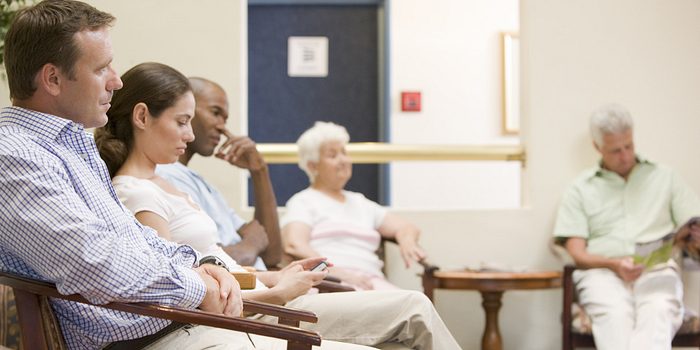
The waiting room is where those feelings sit the longest. And while it might seem like a neutral space, it plays a far bigger role in patient experience than many clinics realise.
In a world dominated by screens, notifications and constant digital noise, the future of print in healthcare may seem uncertain. Yet, in clinical environments, physical media continues to serve a quiet but important purpose, by helping patients feel calmer before their appointment even starts.
The Reality of Waiting in Clinics
Waiting rooms are not like other customer spaces. They are not killing time casually. They are thinking about test results, procedures, diagnoses, or uncomfortable conversations. Even routine appointments can bring tension.
When people are anxious, their surroundings matter more and small details become amplified.
Noise feels louder
Time feels slower
Distractions feel heavier rather than lighter
The Problem with Defaulting to Screens
In many environments, screens are seen as the solution to waiting time. Phones. TVs. Tablets. Digital signage.
But screens are not always calming.
For some patients, screens increase anxiety rather than reduce it. Endless scrolling, news alerts, social media feeds and notifications can amplify stress, especially before medical appointments.
Common issues with screen reliance include:
exposure to negative or distressing content
information overload
increased restlessness rather than relaxation
difficulty disengaging from anxious thoughts
In healthcare settings, distraction needs to be gentle. Not demanding — which is where physical print offers something different.
Why Print Creates a Calmer Waiting Experience
Print does not compete for attention.
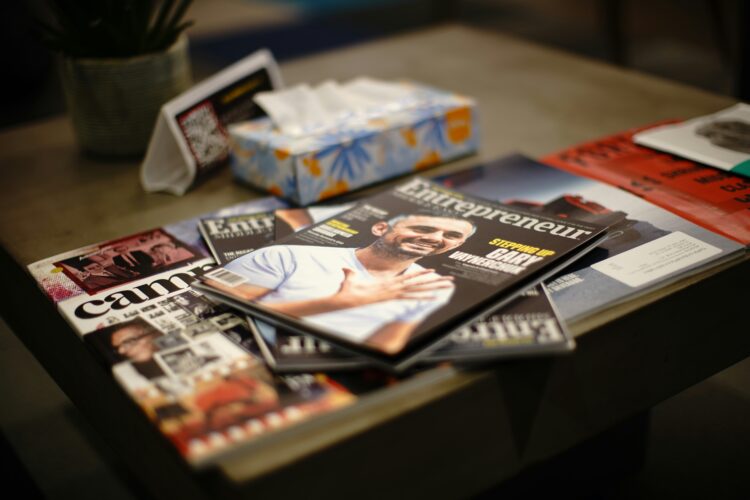
A magazine allows patients to engage at their own pace. There are no alerts. No pop ups. No urgency to respond. They can skim, pause, stop, or simply hold it without pressure.
This matters more than it might seem.
Print encourages passive engagement
Unlike screens, print offers what can be described as passive engagement. Patients can focus lightly without committing mental energy.
This is especially helpful for those who are already feeling tense.
Reading a few pages. Flicking through images. Letting the mind rest for a moment. These small actions help regulate anxiety levels before appointments.
Time feels less heavy
Waiting time often feels longer when patients are focused on the wait itself.
Magazines subtly shift attention away from the clock. They break time into smaller, more manageable moments.
Patients are less likely to fixate on delays when they are engaged in something tactile and familiar.
Reducing cognitive load before appointments
Cognitive load refers to how much mental effort someone is using at any given time.
Before medical appointments, cognitive load is often already high. Patients may be processing information, rehearsing questions, or worrying about outcomes.
Screens tend to add to this load and print helps reduce it.
Magazines do not ask for decisions. They do not demand interaction. They do not interrupt thought patterns abruptly.
Instead, they offer a gentle mental pause.
For clinics, this can make a meaningful difference in how patients enter consultations. Calmer patients are often more receptive, communicative and comfortable once they are called through.
Familiarity brings reassurance
There is also a familiarity factor that should not be underestimated.
Most people have grown up with magazines in waiting rooms. They understand the interaction instinctively. There is comfort in that familiarity, especially in environments that already feel clinical or unfamiliar.
For some patients, especially older demographics or those less digitally inclined, print feels safer and more grounding than digital alternatives.
It removes the pressure to engage with technology at a moment when they may already feel overwhelmed.
Print supports inclusivity in healthcare spaces
Not all patients interact with digital content in the same way.
Some may have visual impairments. Others may struggle with touchscreens. Some may simply prefer not to engage with digital devices during medical visits.
Print offers an inclusive option that does not require technical ability, login details, or device ownership.
A well chosen magazine selection allows clinics to cater to a wide range of patients without creating barriers.
The Role of Bespoke Magazine Selections
The impact of print depends heavily on quality and relevance.
Outdated, damaged or random magazines can have the opposite effect. They signal neglect rather than care.
Custom magazine packs, chosen with patient comfort in mind, help clinics create spaces that feel intentional.
A thoughtful selection can:
reflect the tone of the clinic
appeal to a broad audience
avoid distressing or overly stimulating content
reinforce a calm and professional atmosphere
This makes magazines a core part of turning a customer’s experience into a more calm and positive one.
Print and Digital Can Co-exist Thoughtfully
This is not about rejecting digital entirely.
Many clinics use digital platforms alongside print to provide information, updates, or optional entertainment. The key is balance.
Print plays a specific role. It offers a slower, quieter form of engagement that complements digital tools rather than competing with them.
When used together thoughtfully, print and digital can support different patient needs within the same space.
The Future of Print in a Digital World
As healthcare continues to evolve, patient experience is becoming more central to how clinics operate.
Reducing anxiety is not always about large investments or complex solutions. Often, it comes down to small, considered decisions about environment and atmosphere.
Print remains relevant because it meets patients where they are emotionally.
It slows things down.
It reduces noise.
It provides comfort without expectation.
In a digital world that often feels overwhelming, physical media offers something increasingly valuable: calm.
A Simple Takeaway For Clinics
Patients arrive carrying enough weight already.
Waiting rooms should not add to it.
By offering physical magazines as part of a well considered waiting area, clinics can create calmer spaces that support patients before their appointments even begin.
Print is not outdated in healthcare. It is quietly effective.
And in environments where anxiety is common, that effectiveness matters more than ever.
This website uses cookies so that we can provide you with the best user experience possible. Cookie information is stored in your browser and performs functions such as recognising you when you return to our website and helping our team to understand which sections of the website you find most interesting and useful.
Strictly Necessary Cookies
Strictly Necessary Cookie should be enabled at all times so that we can save your preferences for cookie settings.
If you disable this cookie, we will not be able to save your preferences. This means that every time you visit this website you will need to enable or disable cookies again.
3rd Party Cookies
This website uses Google Analytics to collect anonymous information such as the number of visitors to the site, and the most popular pages.
Keeping this cookie enabled helps us to improve our website.
Please enable Strictly Necessary Cookies first so that we can save your preferences!