How Digital and Print Media Provide a More Sustainable Guest Experience
Sustainability In Hybrid Media
In hospitality, experience and responsibility increasingly go hand in hand.
Guests expect comfort, atmosphere, and thoughtful service, while also paying closer attention to sustainability and environmental impact. The way a venue provides information, reading materials, and entertainment is no longer just a practical decision; it forms part of the wider impression guests take away with them.
As World Wildlife Day encourages businesses to reflect on conservation and responsible practices, hospitality venues are reconsidering the smaller operational details that contribute to their overall footprint. From reducing unnecessary print runs to introducing smarter digital alternatives, incremental changes can support long-term sustainability goals without disrupting guest experience.
Digital and print media do not need to sit at opposite ends of the spectrum. When used together, they can create a balanced approach that supports both environmental responsibility and high-quality guest engagement.
Rethinking guest engagement in a sustainability-focused world
Many hospitality venues still rely heavily on printed materials such as newspapers, magazines, and other promotional reading. While these have traditionally helped create welcoming and comfortable environments, unmanaged quantities can lead to waste, particularly when publications are replaced regularly regardless of use.
However, not every guest wants to engage exclusively through screens and in some settings, a fully digital approach can remove warmth from shared spaces.
A hotel lounge or spa area, for example, often benefits from visible reading materials that contribute to the atmosphere.
The objective is not replacement but refinement. A hybrid media model enables venues to reduce excess while maintaining the quality and comfort guests expect.
Supporting guest comfort without excess
Guests in hotels, lounges, spas, and reception areas often look for light, accessible forms of engagement during downtime.
Some prefer to browse a magazine while waiting, others may want a quiet alternative to their personal devices, and many simply appreciate the presence of thoughtfully curated materials within shared spaces.
Print continues to provide familiarity and a sense of calm, particularly in premium hospitality settings where atmosphere matters. A well-considered selection of magazines signals attention to detail and reinforces brand positioning.
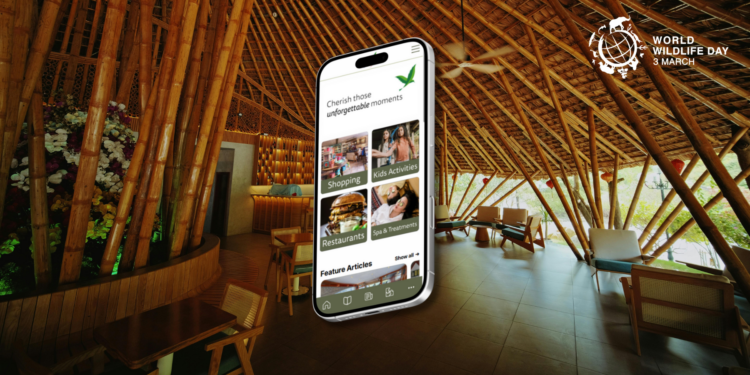
At the same time, digital access through platforms such as Digi-Hub offers flexibility. By providing newspapers, magazines, puzzles, and audio content via QR code, venues can reduce the need for high-volume print distribution while still offering guests a wide choice of content. This approach allows businesses to maintain engagement without overproduction.
Reducing waste while maintaining quality
A hybrid approach gives hospitality businesses greater control over both sustainability and presentation. Rather than ordering large quantities of print as a default, venues can scale subscriptions more accurately, reducing disposal of unread or outdated materials.
Digital access can supplement physical provision in areas where print is less essential, while carefully selected magazines can remain in premium or high-visibility spaces where they contribute most to the guest experience.
For example, a hotel lobby might maintain a smaller, refined print range to preserve atmosphere, while guest rooms or secondary areas rely more heavily on digital access.
Multi-site groups can standardise digital provision across locations while tailoring print locally to suit brand and audience. This flexibility supports sustainability targets without compromising quality.
Meeting modern guest expectations
Today’s guests are increasingly environmentally conscious, and many actively choose businesses that demonstrate responsible practices. Visible sustainability measures, even subtle ones, contribute to perception.
Reducing paper waste, offering contactless engagement, and communicating environmental initiatives clearly all form part of a modern hospitality strategy. Digital platforms can also be used to highlight eco-friendly practices, responsible sourcing, or conservation messaging linked to occasions such as World Wildlife Day, reinforcing brand values within the guest journey.
In this way, hybrid media becomes more than an operational adjustment. It becomes part of how a venue communicates responsibility.
Supporting sustainability goals with flexibility
Every hospitality business operates within different constraints, whether independent or part of a larger group. A hybrid media model allows for gradual improvement rather than abrupt change, enabling venues to refine print quantities, introduce digital access, and adapt content over time.
Subscriptions can be reviewed and adjusted as needed, while digital solutions can be implemented across single or multiple sites with consistency. This adaptability allows businesses to align guest engagement with evolving sustainability goals in a practical and manageable way.
Flexible solutions for modern hospitality
At DLT Media, we support hospitality venues through curated magazine subscriptions alongside Digi-Hub digital engagement. Print provision can be tailored and refined to reduce excess, while digital access can broaden content availability without increasing physical waste. Content can also be aligned with brand messaging and sustainability commitments, ensuring that guest engagement supports wider business objectives.
By combining both approaches, venues can move toward a more sustainable model while maintaining the atmosphere, comfort, and quality that define hospitality.
Sustainability in hospitality does not require sacrificing comfort or removing familiar touches. Instead, it often involves reviewing how resources are used and identifying where efficiencies can be introduced without diminishing the guest experience.
Hybrid media offers a practical middle ground. It enables venues to reduce waste, maintain atmosphere, and meet evolving guest expectations in a balanced and considered way. As businesses reflect on environmental responsibility this World Wildlife Day, examining how content is delivered within guest spaces is a small but meaningful step toward a more sustainable future.
This website uses cookies so that we can provide you with the best user experience possible. Cookie information is stored in your browser and performs functions such as recognising you when you return to our website and helping our team to understand which sections of the website you find most interesting and useful.
Strictly Necessary Cookies
Strictly Necessary Cookie should be enabled at all times so that we can save your preferences for cookie settings.
If you disable this cookie, we will not be able to save your preferences. This means that every time you visit this website you will need to enable or disable cookies again.
3rd Party Cookies
This website uses Google Analytics to collect anonymous information such as the number of visitors to the site, and the most popular pages.
Keeping this cookie enabled helps us to improve our website.
Please enable Strictly Necessary Cookies first so that we can save your preferences!